




×

Key Areas & Notable Streets in Ilford

Ilford’s property market is one of the most dynamic in East London, offering options for buyers and investors with a variety of priorities, from proximity to top schools to easy access to green spaces and transport.

Ilford architecture and property types

This guide focuses on the most important streets and neighbourhoods in Ilford, UK, backed by the latest property price data and area insights from trusted sources such as Rightmove and the ONS. Whether you are looking for your first home or considering your next investment, understanding Ilford’s local streets and micro-locations is key to making a sound decision.

The Different Parts Of Ilford

Ilford covers a broad area that includes several wards such as Cranbrook, Valentines, and Clementswood. Each area comes with its own street-level reputation, which can have a direct effect on both purchase and rental values. For buyers, the choice of neighbourhood determines access to schools, green spaces, and transport; factors known to influence both long-term value and quality of life.

Key considerations when assessing Ilford’s streets include:

  • Distance to Elizabeth Line stations (Ilford and Seven Kings), which improve travel to central London.
  • School catchments that affect demand, especially near Ofsted-rated “Outstanding” schools.
  • Historical conservation areas that may offer period properties with architectural interest.

Developments and improvements to rail and local services mean variations in valuation from street to street can be substantial, even within the same postcode or ward.

Got a
Question?

Our team of experts is here to help in answering any query you may have.

Explore the key streets in Ilford with this video walkthrough of the central area.

Premium Streets & Roads In Ilford

Some streets in Ilford are have been known over time for commanding (generally) higher prices and attracting long-term owner-occupiers. Among these are:

  • The Drive (IG1): One of Ilford’s most desired roads, featuring large detached and semi-detached homes, often with off-street parking and gardens. According to Rightmove, The Drive regularly sees sales at the higher end of the local market.
  • Cranbrook Road (IG1): Noted for its tree-lined stretches, larger houses, and convenient access to Valentines Park, it has consistently strong demand.
  • Holcombe Road (IG1): This area features period properties, larger plot sizes, and is well-positioned for commuters.

These streets are often sought after due to a combination of established homes, proximity to transport, and local amenities.

Property Price Variation In Ilford

Property prices in Ilford can differ widely, even between streets in close proximity. Pricing factors include:

  • Street reputation: Streets with a record of low crime and well-maintained homes fetch a premium.
  • Transport links: Houses closer to Elizabeth Line stations typically command higher prices.
  • School access: Catchment areas for top schools might raise prices by as much as 10-15% compared to the wider area.

For example, in 2026, the average house price over the last 12 months in Ilford was £488,000 (Rightmove), but properties on The Drive and Rochester Gardens regularly exceed £650,000.

Conservation Areas, School & Commuter Hotspots

Ilford’s housing market is shaped by local designations and amenities:

  • Conservation Areas: Conservation areas in Ilford offer Edwardian and Victorian homes, with regulations preserving period features and street character.
  • School Catchments: Streets around Valentines High School and Seven Kings School (both Ofsted “Outstanding”) tend to see above-average demand and price premiums.
  • Commuter Hotspots: Proximity to Ilford, Seven Kings, and Goodmayes stations (all on the Elizabeth Line) boosts demand, especially for those looking for a property within 10-15 minutes’ walk of the station.

Sales trends show that demand is highest on streets that tick more than one of these boxes.

Hidden Gems In Ilford

While many focus on Ilford’s most obvious addresses, several less-publicised streets offer strong value and potential for buyers:

  • Norfolk Road (IG3): Offers period terraces at more achievable prices compared to nearby roads with similar architecture.
  • Coventry Road (IG1): Close to schools and local shops, but with price points typically below the Ilford average.
  • Cecil Road (IG1): Benefits from proximity to Valentines Park and is within walking distance of Ilford station.

These locations may lack broader name recognition but can present sensible options for buyers seeking both convenience and the possibility of capital growth.

Want to know more? Explore the types of property in Ilford and discover what it’s like living in Ilford.

Key Areas With Growth Potential

Several Ilford streets are now drawing new attention thanks to regeneration and improved transport:

  • High Road (IG1/IG3): New residential schemes and retail are making this area more appealing for both buyers and renters.
  • Goodmayes Lane (IG3): With its proximity to Goodmayes station and pending infrastructure changes, this street is predicted to see growth.
  • Windsor Road (IG1): Often overlooked, but now benefiting from improved access and new developments nearby.

Buyers interested in future growth should watch these streets for potential value appreciation driven by planned changes to the area.

Property Architecture In Ilford

Ilford’s streets are marked by diverse architectural styles, each providing a distinct character to the neighbourhood:

  • Victorian and Edwardian Terraces: Typical on parts of Ilford Lane, offering bay windows and original brickwork.
  • 1930s Suburban Semis: Found in the Seven Kings and Goodmayes areas, often with larger plots and off-street parking.
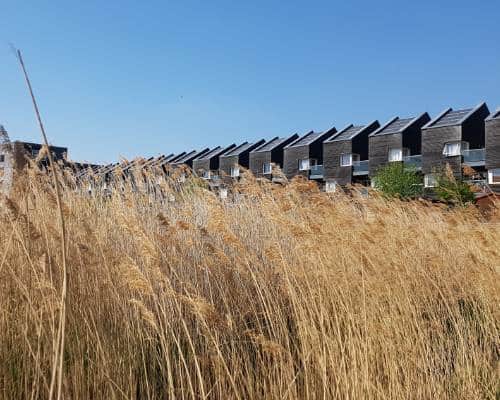
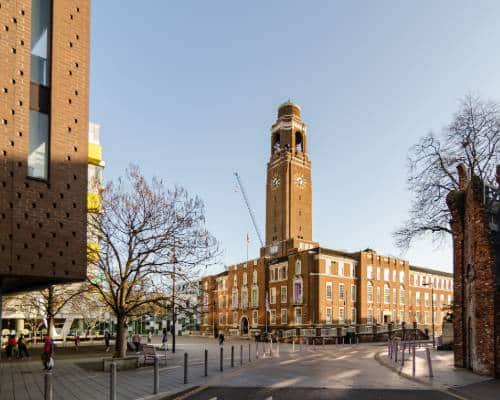
  • Modern Developments: Closer to Ilford town centre, purpose-built flats and new builds are becoming more common, especially along High Road and within the new Ilford Western Gateway regeneration.

Unique features such as wide verges, mature street trees, and proximity to parks often set certain roads apart, adding both visual appeal and practical benefits for buyers.

Rental VS Owner-Occupier Hotspots

Ilford’s rental market has seen ongoing demand due to its transport links and local employers. According to Zoopla, the average monthly rent can range from around £1,000 for a 1-bedroom property, up to £2,500 for a 3-bedroom property, but this can vary significantly depending on the street.

  • Rental Hotspots: Streets close to Ilford station (such as York Road and Ley Street) attract high rental demand from commuters. Flats and HMOs (houses in multiple occupation) are more common here.
  • Owner-Occupier Areas: The Drive, Park Avenue, and residential roads near Valentines Park tend to have higher rates of owner-occupation, with more long-term households and less turnover.

Buy-to-let investors should assess each street’s rental demand, while buyers looking to settle may prioritise quieter, more established roads.

Developments & Infrastructure

Ilford is currently undergoing significant regeneration tied to the Elizabeth Line’s arrival and Redbridge Council’s Ilford Western Gateway project. This includes:

  • Development of new residential and mixed-use blocks along High Road and near Ilford station.
  • Upgrades to public spaces and transport infrastructure, making these areas more appealing for buyers and tenants.
  • New retail units and leisure amenities, which are improving the town centre’s appeal.

These developments are expected to drive future price growth, especially on streets directly adjacent to regeneration zones and new transport links.

Green Spaces In Ilford

Access to green space is a key driver for many buyers in Ilford. The area offers several parkside roads, including:

  • Valentines Road and Park Avenue: Direct access to Valentines Park, one of East London’s largest and most popular public spaces.
  • De Vere Gardens: Known for its quiet setting and mature gardens, close to the park and schools.
  • Eastern Avenue: Offering green buffers and good transport options.

Properties on or near these streets see higher levels of demand from buyers who value outdoor space, with gardens and parksides commanding a premium.

Frequently Asked Questions

Which streets in Ilford have the highest property values?

The Drive, Cranbrook Road, and Holcombe Road are among the highest, with average sale prices well above the Ilford average.

Where should I look for value-for-money properties?

Areas like Norfolk Road, Coventry Road, and Cecil Road offer comparable amenities at lower price points.

What is the impact of Ilford’s regeneration on house prices?

Areas near Ilford station and the Western Gateway are seeing rising demand and strong price growth as regeneration projects progress.

Which Ilford streets are best for commuters?

Streets within a short walk of Ilford, Seven Kings, or Goodmayes stations are ideal for those needing fast access to London.

Find Your Ideal Home In Ilford

Ilford offers a broad choice of property options, each shaped by its street, nearby amenities, and future changes to the town. Finding out more about the distinct neighbourhoods is key to finding a home or investment that suits your goals and budget.

Contact Sandra Davidson for further help and advice regarding properties on the best streets and key areas in Ilford.

Azeem S.

I began as a junior apprentice in a corporate estate agents in 2006 have been working in the property sector since, so over 14 years of experience. I have worked in a range of industries from Property sales and lettings, to construction, development, commercial sales and lets as well as facilities management and maintenance. I have a degree in Economics, enjoy keeping fit and healthy, support Man Utd and have a young family.

Follow on:

Related Post

Updates: 12 Mins Read

Romford Area Guide: Living, Buying & Renting

Is Romford London’s Best-Value Commuter Town?

Fast Elizabeth line connections, average property prices well below inner east London, and a formally adopted regeneration masterplan – Romford is making a compelling case for buyers, renters, and investors alike. Whether you’re a first-time buyer weighing up affordability, a commuter calculating journey times to Canary Wharf, or a landlord eyeing consistent rental demand in a growing population centre, this comprehensive area guide covers everything you need to know before making your move.

Updates: 11 Mins Read

Romford Property & Architecture: Buyer, Landlord & Tenant Guide

From affordable Victorian terraces near the town centre to spacious inter-war semis fetching close to £700,000 in the outer sectors, Romford offers one of outer east London’s most varied housing markets – but that variety comes with complexity. Whether you’re a first-time buyer, a growing family, or an investor, knowing which postcode, property era, and potential pitfalls apply to your purchase could make all the difference. This comprehensive guide covers everything from listed buildings to subsidence risks.

Updates: 15 Mins Read

Romford Key Streets & Locations Guide

Here’s Why Romford’s Location Matters More Than You Think…

In Romford, two streets sharing a postcode and a five-minute walk can differ by over £100,000 in achieved sale prices. That gap isn’t coincidence — it’s driven by conservation boundaries, school catchments, Elizabeth line proximity, and architectural quality. From the dense town centre to Gidea Park’s protected Garden Suburb avenues and Emerson Park’s substantial private plots, getting the micro-location right here is everything. This street-by-street guide tells you exactly where to focus your search.