




This form collects and stores the information provided by you, so that we can contact you about your requirements. Please read our privacy policy for full information on how we manage and protect your submitted data.
We use cookies and similar technologies to improve your experience, analyse site usage, and support advertising and personalisation. Find Out More
Ilford, located in East London, offers a broad range of architectural styles and property types, making it an area of interest for buyers, investors, and those who appreciate London’s housing history. With a varied selection of modern developments, Edwardian and Victorian houses, as well as flats and maisonettes, Ilford continues to attract people seeking different types of homes.

This guide provides a detailed overview of Ilford’s property market, including architectural features, conservation areas, new developments, and practical insights to help you find your ideal home.
Ilford’s housing is mainly composed of residential streets with properties dating from the late 19th century through to recent new-build apartments. Victorian and Edwardian terraces are common, noted for their red-brick facades, bay windows, and decorative stonework. Alongside these, there are numerous semi-detached and detached houses, particularly in areas developed in the early to mid-20th century.
Properties in Ilford often display features such as:
Recent years have seen a push for modernisation, with developers introducing contemporary flats and townhouses. These newer properties often benefit from open-plan interiors, energy-efficient features, and secure parking, reflecting current buyer preferences.
Our team of experts is here to help in answering any query you may have.
Ilford’s residential stock includes a variety of options:
Over the last year, terraced houses and flats were the most common sales. The rise of new builds reflects increased demand for modern amenities and ease of maintenance.
Ilford has several designated conservation areas, such as the Valentines Park Conservation Area, which contains historic architecture including Valentines Mansion, a Grade II* listed building. These areas are subject to planning controls to preserve architectural character.
Key points regarding conservation and listed buildings:
Grade II listed buildings in Ilford include examples of early 20th-century civic and religious architecture. Buyers interested in such properties should review the local authority’s listed building register and consult planning guidance before undertaking works.
Some streets in Ilford have built a reputation for higher values and sought-after homes. According to Rightmove, the following streets are among the most desirable:
Properties on these roads tend to attract higher asking prices than the Ilford average due to their size, location, and traditional features. These homes often include original fireplaces, high ceilings, and mature gardens.
The arrival of the Elizabeth Line has prompted significant investment in Ilford, with several new residential developments appearing near the station and town centre. These include high-rise blocks, mixed-use developments, and modern apartment complexes that typically attract young professionals and investors.
Features of recent Ilford developments:
There has been a trend toward urban regeneration in Ilford, with average flat prices rising in line with improved amenities and transport links. Regeneration projects such as a £3 million investment into improving the area around River Roding, creating river paths and a pocket park.
The Ilford Western Gateway is another major project which will deliver around 1,000 new homes, green spaces and commercial amenities to the area.
Period homes in Ilford, especially those from the Victorian and Edwardian eras, contain features that appeal to those interested in architectural detail. Noteworthy characteristics include:
Modernisation projects often retain or restore these features, maintaining the area’s character while improving energy performance and interior layouts.
Property sizes in Ilford differ based on age and type. According to property portal data, you can use these typical floor areas a a rough guide to the typical property size.
| Property Type | Size (m²) | Bedrooms |
|---|---|---|
| Victorian and Edwardian Homes | 90–130 | 3–4 |
| 1930s Semi-Detached | 80–110 | 2–3 |
| Modern Flats | 50–70 | 1–2 |
| Maisonettes | 60–80 | 2 |
Larger homes with extensions may exceed these averages, especially on premium streets.
Want to know more? Find out about the best streets in Ilford and get the full picture of living in Ilford.
Outdoor space is a key feature for many buyers in Ilford. Houses built before the 1970s often have long rear gardens and front driveways. Period properties on roads like The Drive can have gardens over 30 metres in length.
Features of Ilford gardens include:
Newer developments increasingly offer communal gardens or terraces rather than private gardens, due to higher density planning.
Parking provision varies across Ilford’s property types:
Access for deliveries or tradespeople is usually straightforward, with most roads serviced by public transport and close to the A406 and A12.
Recent years have seen a shift towards open-plan living, especially in refurbished period homes and new apartments. Popular interior trends in Ilford include:
Modernisation projects in period houses often involve removing partition walls, creating larger family spaces, and increasing natural light. Many buyers seek homes that offer flexibility for home working, with dedicated office space or adaptable rooms.
Based on Rightmove data, the average house price in Ilford is currently about £488,000. Flats sell for approximately £270,000, while semi-detached homes fetch around £610,000.
The Help to Buy scheme has ended but there are shared ownership schemes available in Ilford. You can check which developers are currently offering shared ownership on their websites.
Many houses, especially those built in the 1930s or later, offer off-street parking or garages. Some period properties may only have on-street parking with permit options.
Ilford offers a broad range of property types, from period terraces to modern apartments, suited to varied needs and budgets. Understanding these options, from heritage homes to new developments, can help you to decide which property type is most suitable for you.
For tailored advice or to arrange viewings of Ilford properties, contact Sandra Davidson.
I began as a junior apprentice in a corporate estate agents in 2006 have been working in the property sector since, so over 14 years of experience. I have worked in a range of industries from Property sales and lettings, to construction, development, commercial sales and lets as well as facilities management and maintenance. I have a degree in Economics, enjoy keeping fit and healthy, support Man Utd and have a young family.
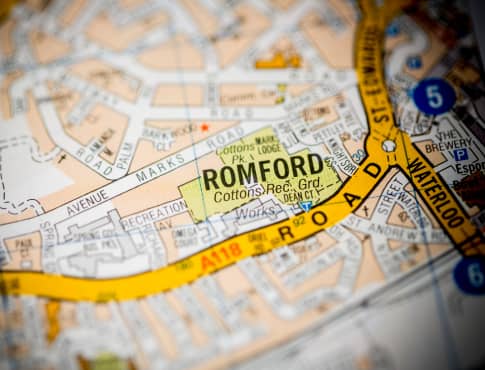
Is Romford London’s Best-Value Commuter Town?
Fast Elizabeth line connections, average property prices well below inner east London, and a formally adopted regeneration masterplan – Romford is making a compelling case for buyers, renters, and investors alike. Whether you’re a first-time buyer weighing up affordability, a commuter calculating journey times to Canary Wharf, or a landlord eyeing consistent rental demand in a growing population centre, this comprehensive area guide covers everything you need to know before making your move.
From affordable Victorian terraces near the town centre to spacious inter-war semis fetching close to £700,000 in the outer sectors, Romford offers one of outer east London’s most varied housing markets – but that variety comes with complexity. Whether you’re a first-time buyer, a growing family, or an investor, knowing which postcode, property era, and potential pitfalls apply to your purchase could make all the difference. This comprehensive guide covers everything from listed buildings to subsidence risks.
Here’s Why Romford’s Location Matters More Than You Think…
In Romford, two streets sharing a postcode and a five-minute walk can differ by over £100,000 in achieved sale prices. That gap isn’t coincidence — it’s driven by conservation boundaries, school catchments, Elizabeth line proximity, and architectural quality. From the dense town centre to Gidea Park’s protected Garden Suburb avenues and Emerson Park’s substantial private plots, getting the micro-location right here is everything. This street-by-street guide tells you exactly where to focus your search.
This form collects and stores the information provided by you, so that we can contact you about your requirements. Please read our privacy policy for full information on how we manage and protect your submitted data.