How To Raise Your Tenant’s Rent or Issue a Rent Increase Notice in London
By Azeem S. | Created on 5th May 2025
If you’re renting out property in East London or Essex, you might wonder when it’s right to increase the rent. Has your Stratford or Barking property’s rent remained at the same level for some time, and no longer aligns with market values for the area? Or maybe you need to charge more rent to cover increased mortgage interest payments on your rental property in Woodford or Romford.
Whatever your reasons, think carefully before you attempt to increase the rent your tenants pay. Be respectful and tactful when suggesting a rent increase. While your request might be reasonable, money can be a thorny subject. Your tenant hasn’t done anything wrong – and they have certain rights.
You could jeopardise your relationship with good tenants who regularly pay on time, or push them into financial difficulties if they’re affected by the cost of living crisis. If increasing the rent prompts them to move on, you could lose money while searching for a new tenant.
Whatever you decide, it’s worth knowing the rules about how to raise the rent – when you can suggest an increase and what to do next.
Please check your inbox for an email with the download to your free Renters Rights download.
Fill in the form to download:
Increasing The Rent By Mutual Agreement
If you speak to your tenant and both agree to the rent increase by mutual agreement, then as long as you have written evidence in the form of an email or written agreement, there isn’t any need to serve Section 13 (rent increase) notice.
Ensure you have stipulated the new rental amount and the date the rent increase commences. After the first instalment of the new rent, this increased amount will be the new continuing rental fee.
Increasing The Rent With A Rent Review Clause
Most landlords have a tenancy agreement with their tenants, which usually includes specific clauses that allow the landlord to increase the rent after a set period. For example, your tenancy agreement can specify an agreed increase after 12 months in a 24-month contract.
Landlords cannot serve a Section 13 Notice if there is already a rent review clause in the tenancy agreement.
Increasing The Rent By Serving A Section 13 Rent Increase Notice
Suppose your tenant doesn’t agree to a rent increase in writing, and you don’t have a clause in the agreement. In that case, you will need to wait until their tenancy reaches the end of the fixed term and becomes a periodic tenancy before you can do anything.
They will continue to pay the same rent, but you must decide how to proceed, and there are essentially two options. Either serve the tenant with a Section 13 rent increase notice, or ask your tenant to leave and serve them with a Section 21 notice.
When Can A Section 13 Notice Be Served?
The rules are strict when it comes to notification periods. The minimum amount of notice required by law when serving a Section 13 notice will depend on the type of rental payments:
Weekly, bi-weekly, or monthly paying tenants should receive 1 month’s notice.
Tenants paying rent less frequently than monthly should be given notice in line with their payment frequency. For example, if the rent is paid every three months, tenants should be given three months’ notice of a rent increase.
You can only serve a Section 13 rent increase notice once in 12 months.
How Much Can A Landlord Increase The Rent By?
If you have a clause in your assured shorthold tenancy agreement stating when and by how much the rent can increase, you can only increase it to this level. If you want to ask for more, your tenant must agree.
Even if you have specified the increase level, consider whether this is appropriate to current market conditions.
It is worth noting that, according to the Office for National Statistics index of private rental prices, rents increased by 7.7% in the 12 months to March 2024, down from 8.1% in the 12 months to February 2025. Over the same period, London saw the second-highest annual rent growth in England, at 9.1%.
How often you can increase the rent will depend on market conditions. However, landlords can only increase the rent using a Section 13 written notice once in 52 weeks.
While it is unreasonable to suggest an increase more often than this, it is also better to make a slight increase regularly rather than hold on for an extended period only to land your tenant with a massive rent hike.
What Should I Think About When Deciding On A Rent Increase?
Consider your area’s rent levels when deciding on a fair increase. If you charge too much, your tenant will probably go elsewhere, and you will struggle to find a new one.
After analysing the market, if you find you are charging too little, you should explain this to your tenant. They will probably accept the increase if they understand that by vacating the property, they will be paying the same rate elsewhere.
Remember that your tenant has rights, and they may challenge the rent increase if they believe you are charging too much – if you serve them with a Section 13 notice, they can challenge it at a tribunal.
How Do I Serve A Rent Increase Notice
To serve a Section 13 notice on your tenant, you must fill out Form 4, which can be downloaded from the gov.uk website. To agree a rent increase without a Section 13 notice, consider using a template to ensure the correct details are all included. You can send the notice via post to the tenant’s address or hand-deliver it.
How Much Notice Should A Landlord Give Before Increasing The Rent?
How much notice you need for a rent increase is mainly determined by how often the rent is due. If your tenant pays their rent monthly or weekly, you must give at least one month’s notice of a proposed rent increase. However, providing them with two months is good practice – so they have more time to find another home if they feel the increase is too high. If your tenant pays annually, you must give six months’ notice.
What Happens If My Tenant Won’t Pay?
As we’ve said, you can serve your tenant with a Section 13 notice if you can’t agree on a mutually acceptable rate. If your tenant disputes this, a tribunal will decide. If the decision goes in their favour, you won’t be able to charge the higher rent. If you still feel your property is undervalued, you could ask the tenant to vacate the rental home.
You can do this using a Section 21 notice as long as the fixed-term tenancy has ended. Be aware that the government has voiced intentions to end Section 21 no-fault evictions, though this has not passed into law just yet.
Rent Increase Changes Under The Renters’ Rights Bill
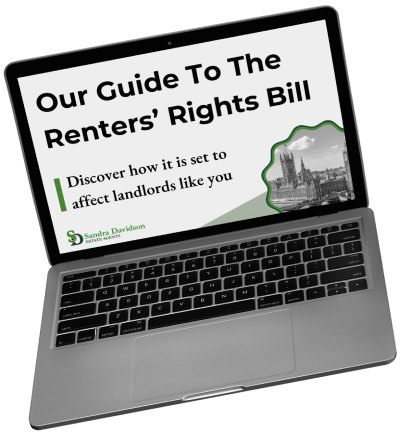
The government is pushing forwards with the Renters’ Rights Bill which will change the rules on rent increases in the near future.
Under the proposals, landlords will only be able to raise rents in line with the market rent, by serving a Section 13 notice to increase rent no more than once per year. Rent review clauses would become invalid, and the types of tenancy on offer will change. The fixed-term tenancy agreement would be retired in favour of periodic tenancies, removing the option to issue the same tenants with a new tenancy at a higher rent.
The government also wants to strengthen tenants’ ability to challenge rents at the First Tier Tribunal. This independent tribunal will have the power to decide the rental property’s market rent, and whether the landlord’s proposed new rent would surpass it.
Frequently Asked Questions
Can landlords increase the rent after serving a Section 21 notice?
Landlords may set a new rent if the tenants agree to it. If the tenancy becomes periodic after the notice has been served, then you can follow the usual rules for a periodic tenancy.
Can landlords increase the rent without a Section 13 notice?
Yes, but only if there’s a rent review clause or with the tenants’ agreement, backed up by a written record.
How much of a rent increase is legal?
There’s no legal limit on how much a landlord can increase the rent by, however, it must be ‘fair and reasonable’. Look to the market rents of comparable properties in your local area as a guide.
How many times can a landlord increase rent in a year?
Landlords can only issue a rent increase notice once in 12 months for periodic tenancies.
Where Can I Find Out More?
Read about rent increases and other helpful information for landlords on the gov.uk website. The Shelter website also lays out the process.
We Can Help
If you are a new landlord, Sandra Davidson can advise you about the trickier areas of renting out a property, including rent increases and the market rates for properties in Ilford, Redbridge, Newham and Tower Hamlets. We’d also be happy to tell you how we can manage the process.
We offer a rent guarantee scheme for landlords who don’t want to worry about rent increases. Your property is leased to us for 1 to 5 years. We guarantee a rental income for your property in East London, whether occupied or vacant. You get paid monthly, with no rent breaks or stops, ensuring excellent rental yields. Explore our guaranteed rent services in Harrow, Barnet, Enfield, Ealing, Luton & beyond.
Share
Azeem S.
I began as a junior apprentice in a corporate estate agents in 2006 have been working in the property sector since, so over 14 years of experience. I have worked in a range of industries from Property sales and lettings, to construction, development, commercial sales and lets as well as facilities management and maintenance. I have a degree in Economics, enjoy keeping fit and healthy, support Man Utd and have a young family.
Staying on top of all your landlord responsibilities is becoming increasingly challenging and time-consuming, and the responsibilities have increased since Phase 1 of the Renters’ Rights Act came into force.
However, there is a great range of landlord apps that can provide features such as compliance checklists, reminders, accounting tools and creation of tenancy agreements.
This guide provides a detailed overview of the best apps available for UK landlords including options that are MTD-ready. We cover key features of each app, pricing structures and who the apps are most suited to.
How can London landlords reduce an income tax bill by claiming allowable expenses? Recent changes mean that it’s no longer possible to claim for mortgage payments, but there are many valid allowable expenses for landlords. Factoring these costs into your tax calculations could reduce your taxable income by a significant amount – overlook them and you could be throwing money away. It’s also increasingly important for landlords to keep accurate records as HMRC phases in Making Tax Digital for Income Tax. Read our guide for a essential landlord expenses list, examples and more.
If you are considering investing in a rental property in East London, understanding the real costs will help you to decide whether it is the right option for you. Establishing the potential costs can also help you to make informed decisions about which type of property to invest in to reduce upfront and ongoing costs and therefore maximise your rental profits.
This guide provides a full breakdown of the typical costs involved in being a landlord in East London, including tax obligations, maintenance, compliance, licensing fees and more. We also provide tips on reducing costs.