Energy performance certificates in desperate need of reform says Which?
By Azeem S. | Created on 10th June 2024
Energy performance certificates (EPCs) are an essential part of selling a property or advertising it for rent but according to the consumer organisation Which? the system is in need of reform.
An up-to-date EPC is required if you’re looking to sell, giving prospective buyers essential information about energy efficiency of your home. But critics have queried whether EPCs are a reliable indicator of how warm, green and cheap to heat a property is, with claims that the information they contain may be inaccurate and misleading.
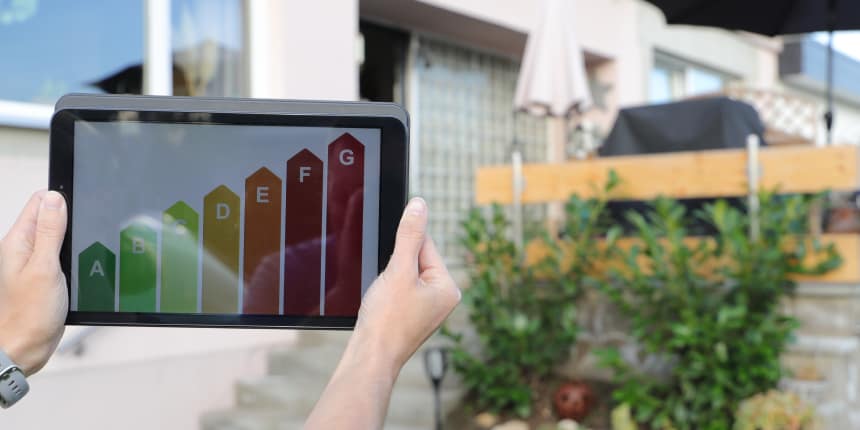
An EPC sets out the energy performance of a property, rating it from A to G (with A being the most energy efficient). It also recommends improvements that could boost a home’s green credentials.
But according to Rocio Concha of Which?: “Current EPCs are in desperate need of reform as, too often, the information and advice they contain is inaccurate, difficult to understand or unhelpful.”
One issue is that EPCs are valid for 10 years, “regardless of any changes that have been made to the property”. Which? Believes this should be reduced to five years.
Got a Question?
Our team of experts is here to help in answering any query you may have.
Residential trade body Propertymark agrees, saying the system “probably does need some sort of revamp. If work is done, for example, it needs to be updated as you go.”
A 2023 survey by property portal Rightmove found that a good EPC would be a major factor in the property choice for 14.5% of buyers, with 64.9% classing it as important though not essential.
According to Which?: “There is substantial evidence that the metrics and information in many EPCs may be misleading, and homeowners, tenants, landlords and policymakers could be making decisions based on inaccurate information.”
I began as a junior apprentice in a corporate estate agents in 2006 have been working in the property sector since, so over 14 years of experience. I have worked in a range of industries from Property sales and lettings, to construction, development, commercial sales and lets as well as facilities management and maintenance. I have a degree in Economics, enjoy keeping fit and healthy, support Man Utd and have a young family.
This form collects and stores the information provided by you, so that we can contact you about your requirements. Please read our privacy policy for full information on how we manage and protect your submitted data.
This form collects and stores the information provided by you, so that we can contact you about your requirements. Please read our privacy policy for full information on how we manage and protect your submitted data.