







This form collects and stores the information provided by you, so that we can contact you about your requirements. Please read our privacy policy for full information on how we manage and protect your submitted data.
We use cookies and similar technologies to improve your experience, analyse site usage, and support advertising and personalisation. Find Out More
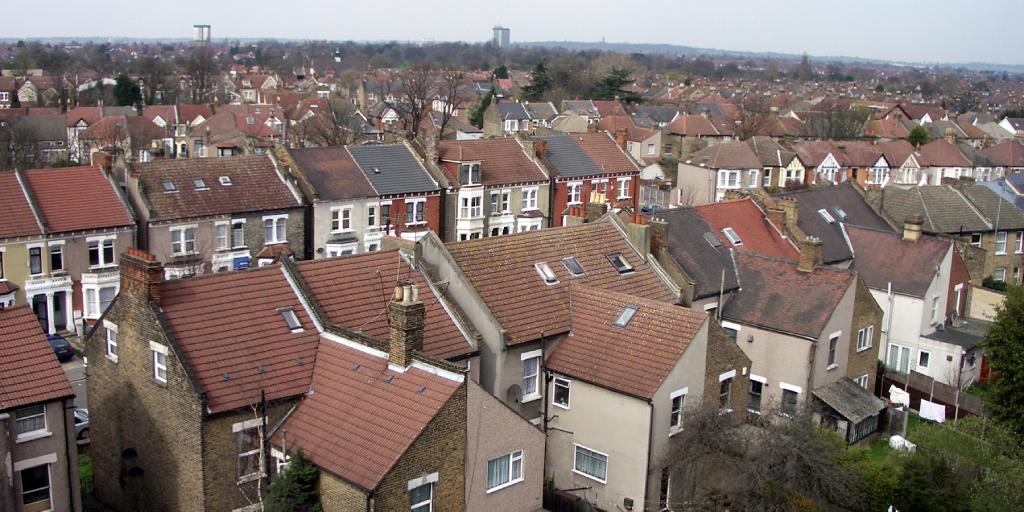
It’s not unusual to seek a fast sale when considering putting your house on the market. House prices in East London have doubled in the past decade.

Average house prices in Havering, Tower Hamlets, and Hackney have increased in the last 12 months, despite average prices across London falling. Now could be an opportune time to sell your property in East London.
Perhaps you’re relocating or need to sell your East London property before buying a new house you’ve set your sights on.
If you are considering putting your house on the market, these tips may help you get ahead of the game, make your home more attractive and increase your chances of a quick sale.
If you can choose when to sell your home, it is worth trying to time your sale to coincide with peak buyer demand. Traditionally, the best season to sell your house quickly is spring. Properties listed in spring tend to sell quicker than those listed in late autumn and winter. However, there is a surge in buyer activity in January and February. Listing in these months may mean you get ahead of other sellers waiting for the spring months. September can also be a decent time to list your property, as there is an increase in buyer activity once schools have started back, but this is often short-lived.

Buying and selling at the same time?
Here are 10 things that could go wrong, and often do go wrong, and what, if anything, you can do to avoid them.
Buying and selling at the same time?
Here are 10 things that could go wrong, and often do go wrong, and what, if anything, you can do to avoid them.
Thank you for requesting our 10 Things That Could Go Wrong When Buying And Selling At The Same Time.
You should receive it in your inbox within the next few minutes. If you don’t, please check your Spam folder too.
One of the best tips to sell your home fast is to avoid going to market in August, especially if you are selling a family home. Most potential buyers will be away on holiday or too busy with children to house hunt. November and December have the fewest people searching for property, so they are best avoided if you want a quick sale.
If you want to find a buyer fast, your home must be valued correctly from the start. Research the sold prices of similar houses in your immediate area. This information is available online from the Land Registry, Zoopla and Rightmove.
Invite at least three different estate agents to value your home. Combining these valuations and your research should help you set a realistic asking price. Watch out for agents who put too high a value on your home purely to win your business. Over-valuations are counter-productive since too high a value may mean your house won’t receive buyer interest in the first few weeks. At that point, you’ll have to reduce the price anyway, leaving you no better off. And talking of agents…
Finding the right estate agent in the first place is one of the best ways to sell your home quickly. Your choice will significantly impact how quickly you sell your house and the price you achieve. That’s because not all estate agents are the same; some will prove much more effective than others.
When drawing up your shortlist, ask for recommendations and read customer feedback on review sites like TrustPilot and Feefo. Look at their current listings. Do these properties catch your eye?
Want to feel prepared before you sell? Discover why is my house not selling and our tips for selling your house.

When you are choosing an estate agent, ask the following questions:
Word of mouth is an excellent way to learn about an agent’s local reputation. Do your neighbours, friends or work colleagues have any recommendations, for instance?
Preparing your home for a quick sale is essential. Not only will this help your property sell faster, but good presentation could add thousands of pounds to the selling price. According to recent estimates, staging your home well can increase the final sale price by between 2% and 10%.
When it comes to quick fixes that help sell your house fast, decluttering is top of the list. Your potential buyers need to see your property’s fantastic living space. Make this easy for them by eliminating all the excess stuff you have accumulated. Pay particular attention to the hallway, as it is the first part of your home buyers will see. Put away your once-a-year coats and any shoes stored near the door.
Another reason for tidying away clutter is that your viewers need to see themselves living in your home – which isn’t easy if your nicknacks are lying around everywhere they look.
Ensure your cupboards and storage spaces are tidy and not jam-packed with stuff. You want to give buyers the impression that there is plenty of storage.
Get your house ready to sell quickly by giving it a deep clean. Tackle the entire house, including walls, windows and carpets. Tidy the garden, cut the grass, weed the flower beds and clean the patio.

Tackle those DIY jobs you have been putting off, including replacing broken light bulbs, repairing paint chips, giving the front door, windowpanes or walls a fresh lick of paint, or dealing with creaking hinges, dripping taps or cracked tiles.
We don’t recommend sellers undertake lots of work on their property as they are unlikely to recoup the investment. You can check this with your agent, who will have a good idea of how much a new bathroom, for instance, would increase the value of your home. However, minor changes such as adding strategically placed lighting, fresh new curtains and cushions and plants and flowers are cheap and can make your home look attractive to buyers.
Another tip when learning how to stage your house to sell quickly is to consider repainting the rooms in neutral shades. You may love your dark blue feature bedroom walls or striking feature wall in the sitting room, but that’s not to say your viewers will. It could put them off imagining themselves living there.
Prospective buyers cite bad smells as one of the most off-putting issues. Remove any bad odours in your home, such as cigarette smoke, smelly pets or blocked drains. Before viewings, open the windows and light a scented candle or two.

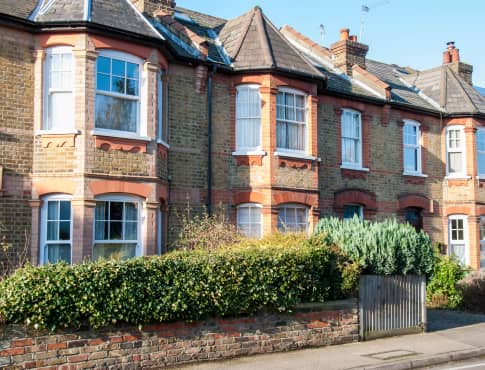
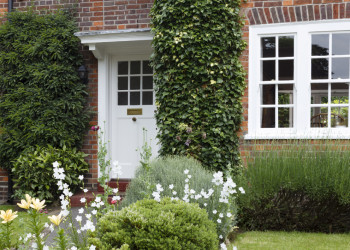
When presenting your home for a quick sale, it’s not just the inside that matters. Your home’s exterior is the first thing buyers will see, so ensure that your property has impressive kerb appeal. First impressions are everything, so if you want a quick house sale, don’t waste the opportunity to start viewings on a positive note. Tidy the front garden or drive, add plants and refresh the front door by repainting it in a bright, attractive shade. Hide any bins around the back of the house.
Want to feel prepared before you sell? Explore how to sell your house online and how to find a buyer for my house.
Conveyancing is the legal process to transfer the ownership of property titles from one person to another following a house sale. Appointing your solicitor early means they can get ahead with some administration, such as drawing up the draft contract. They can also advise you on selling your house regarding what paperwork you’ll need and getting it up to date. This will include any planning consents and certificates for structural building work. Other paperwork involves floor plans, building insurance policies and even utility bills.
One of the best tips for selling your home is to leave viewings to your local estate agent. They are experts in presenting homes in their best possible light and highlighting the most saleable features. They’ve been in the profession long enough to know how viewers think.
Once you start receiving offers, prioritise chain-free buyers, cash offers or those with a short chain to minimise the potential for problems. Longer property chains mean you rely on more transactions running smoothly and on schedule, while a cash buyer means you won’t be affected by a chain.
Sometimes, properties don’t sell fast – perhaps the price isn’t right, or the property isn’t presented as well as it could be. The reason isn’t always apparent, but these tips and tricks can help you get your house sale back on track.
In recent years, numerous ‘fast house buying’ companies have come onto the market, offering sellers a cash sum to buy your house within weeks without the stress of selling on the open market and they may also cover your legal fees. However, you will not achieve the full market price as these companies make money by offering to buy your house for a low price (typically 15% below the market rate).

Be warned; some house-buying companies are above board and operate effectively, but not all. Others use tactics such as reducing the price at the last minute, or the property buyer can introduce hidden fees that aren’t clear at the outset. Any home-buying company with a National Association of Property Buyers (NAPB) membership should follow a code of conduct. But there are no consequences if they don’t. Property Ombudsman (TPO) membership operates similarly, and the property buyers’ redress scheme is voluntary.
As a result, they’re not always the best approach if you want to sell your house quickly and achieve market price. If you plan on using one of these companies to sell your house fast in London, read their paperwork thoroughly.
If you are buying a new build property at the same time of selling, you might be able to agree a guaranteed sale of your property with the developer. This is a more stress free approach, but you might not receive the asking price you would achieve on the open market.
The length of time it takes to sell a house in East London is around 8 to 12 weeks, but it can vary depending on the demand in the area for the property type, the time of year and whether any issues come in the home survey. It can take longer to sell during holiday periods but the market tends to speed up again after the holidays.
Common mistakes that slow down sales include:
– Unrealistic pricing
– Choosing inefficient estate agents or conveyancers
– Poor marketing strategy (minimum exposure or poor photos, for example)
– Not preparing the property for viewings
– Not completing minor repair work
– Failing to have the required documents ready e.g. EPC and leasehold information
While overpricing the property may help achieve a higher price, this is typically only likely to happen in a hot selling property market. An experienced estate agent should be able to guide you on whether pricing the property higher is a good idea. Overpricing will mean less interested buyers and there is a risk that the property will go ‘stale’ if left on the market for too long.
Estate agent fees vary between around 1% and 3% of the sale price, plus VAT. Some agents offer a fixed fee rather than a percentage, so this is an important question to ask an estate agent before you put your house on the market with them. Also consider that a good quality agent may help you to achieve a higher price for your property and drive a faster sale, which may be more of a priority than saving a few hundred pounds in fees.
These are some important questions to ask an estate agent to determine whether they are the best option for selling your home:
– Which marketing strategies will you use to sell my house?
– What is your pricing structure?
– Have you sold similar properties to mine in the area?
– How did you arrive at the valuation you have provided?
– Will you conduct the viewings for my property?
– Do you belong to a redress scheme?
– How will you keep me updated with progress and viewings feedback?
Sandra Davidson was established over 25 years ago, and we are renowned as local property experts in East London, covering areas such as Dartford, Forest Gate and Seven Kings. We have helped thousands of homeowners to sell their homes for their maximum value in the shortest time possible. Contact us for a free valuation of your property, and we’ll discuss how to sell your house quickly for the best possible price.
I began as a junior apprentice in a corporate estate agents in 2006 have been working in the property sector since, so over 14 years of experience. I have worked in a range of industries from Property sales and lettings, to construction, development, commercial sales and lets as well as facilities management and maintenance. I have a degree in Economics, enjoy keeping fit and healthy, support Man Utd and have a young family.
Selling your house can be a complicated process, but breaking it down can make it less intimidating. That’s why we have compiled this step-by-step guide to the process of selling a house in east London. Whether you’re selling for the first time, are buying at the same time, or just aren’t sure what the current advice is in 2026, read on for tips on how to sell your house. We’ll talk you through everything from mortgage matters to professional photography. We also answer your frequently asked questions about the selling process. Find out more.
When you inherit a property, there will be decisions to make regarding whether to sell the property, live in it yourself or rent it out, and there will be legal processes to follow.
If you are wondering what the next steps are then this guide explains how the probate process works, what tax obligations you may have and which documents you will need if you decide to sell the property.
We also cover the different options you have for selling an inherited property and answer some of the most common questions about inheriting a property.
When selling a leasehold property in east London, your first step should be to check how long is left on the lease. Properties with short lease lengths remaining can be more difficult to sell or the property value can decrease, so you may need to consider extending the lease before selling.
This article will help you to decide whether it will be beneficial to extend your lease, how you can apply for an extension and the costs involved. We also provide an update on the leasehold reforms that are currently underway.
This form collects and stores the information provided by you, so that we can contact you about your requirements. Please read our privacy policy for full information on how we manage and protect your submitted data.