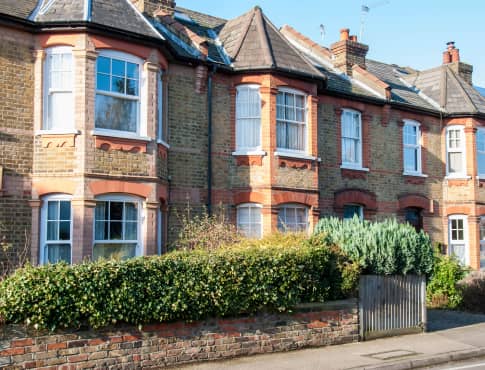
Your decision to downsize could mean moving out of London to somewhere more rural or coastal, or simply relocating closer to amenities. Fortunately, areas like Enfield and Harold Wood offer a range of property types in easy reach of shops and transport links – ideal if you plan on downsizing within the area.
Downsizing simply means deciding to buy a smaller home, often to release capital tied up in your property to enjoy in your retirement. And, if you’re getting older, downsizing to a smaller home might come with less upkeep and be easier to manage.
Whatever your motives, downsizing isn’t something to be taken lightly. Think carefully through your reasons and try visualising yourself in a smaller space.
To help you make this critical decision, we look at the pros, cons and questions to ask before you take the plunge.
Why Downsize Your House
The meaning of downsizing is simply moving to a smaller property – to a smaller house, or from a house to a flat. It’s more common as people get older and their children fly the nest, or you may downsize your house for retirement, to a smaller place that’s easier to maintain.
Buying and selling at the same time?
Here are 10 things that could go wrong, and often do go wrong, and what, if anything, you can do to avoid them.
Buying and selling at the same time?
Here are 10 things that could go wrong, and often do go wrong, and what, if anything, you can do to avoid them.
Thank you for requesting our 10 Things That Could Go Wrong When Buying And Selling At The Same Time.
You should receive it in your inbox within the next few minutes. If you don’t, please check your Spam folder too.
Downsizing to an apartment may let you enjoy life with a nest egg and lower costs, or pay off debt. While there are advantages for downsizers of any age, it’s important to research the pros and cons.
The Pros of Downsizing
There are some real advantages to downsizing your property:
1. Easier to Manage
Smaller homes are easier to manage, particularly as you get older, with less cleaning and upkeep. If you move from a house to a flat, many tasks, such as maintaining the exterior of the property or looking after the gardens, will be taken care of as part of your maintenance agreement – more so if you decide to move to a retirement village or sheltered housing property.
2. Relocation
Downsizing is a chance to move to a new area that may suit your lifestyle better. If you no longer need to be in London for work, it’s an opportunity to live somewhere with a quieter pace of life and be closer to friends and family.
3. Money
There are considerable financial benefits to downsizing. A smaller, cheaper house will release equity in your property for other things – holidays, working fewer hours if you’re still in employment, or helping your children get on the housing ladder. A smaller home will also mean cheaper energy and council tax bills – a significant factor right now. If you are still paying off your mortgage, downsizing could help you to go mortgage-free so you have no monthly mortgage payment.
4. Company
If you’re feeling lonely, a move to a retirement property or an area with lots of community activities could mean the chance for a whole new social life.
The main disadvantage of downsizing is the lifestyle changes accompanying the move. When moving to a smaller home, you’ll likely need to get rid of some of your possessions and furniture. You may have less space or opportunity for hobbies – gardening, for example, and you won’t have as much room for having guests to stay.
Leaving London may sound appealing, but you’ll need to adjust to having far fewer amenities on your doorstep. You may also be leaving behind friends you’ve had for years. A move from a large house to a flat can feel quite different, with neighbours in much closer proximity than you’re used to.
Can Downsizing Make You Better Off?
Yes, downsizing your home from a more expensive property to a cheaper one will allow you to free up the capital if you have paid off the mortgage.
To give you an idea of the current housing market, the average price of properties in Redbridge over the last year was just under £635,600, with terraced properties selling at an average of around £588,400 according to Rightmove, while the average price of a flat in Redbridge was close to £344,000.
As an example, if you were to sell a mortgage-free property for £588,400 and buy one for £344,000, it would free up £244,400 (minus the costs involved in selling the property), so you would be significantly better off in this scenario, in terms of available finance. The costs of moving you need to budget for include the EPC and removals, and closing costs like estate agent fees, solicitors’ fees and Land Registry fees.
The financial benefits don’t stop there either. Selling a larger property and moving into a smaller property can also save money through the following:
Fewer maintenance costs
Reduced utility bills
Fewer purchases, such as furniture and clothes, due to limited storage space
Do I Pay Tax If I Downsize My House?
You don’t usually need to pay capital gains tax when selling your main residence to move to a new home. There are exceptions, though – if you’ve rented part of it out, have another house that could be termed your main home, or inherited the property then seek property tax advice from an independent tax adviser. Buying your new, smaller property also means paying stamp duty (SDLT) as one of the costs of moving.
There’s another tax involved – council tax. Moving to a smaller property can mean lower tax bills, but check the banding, particularly if you’re moving to a different local authority area.
What Is Part Exchange When Downsizing a House?
Property developers may offer a part exchange deal when you downsize, letting you trade your existing property for part of the value of a new build. If you feel forced to downsize in a hurry, that may sound tempting, though you often won’t realise your property’s full market price, and may have to commit to a more expensive new home.
Downsizing Options
There are different options for downsizing your home, so you can choose which one will best suit your lifestyle and finances:
Buying a smaller house
This is the most common option, with homeowners selling a larger home with multiple bedrooms and moving into a smaller, one or two-bedroom property. If you want to stay in the area, you can try and find a smaller property nearby to avoid the upheaval of moving to a new, less familiar area.
Buying a flat
Another popular option for downsizing your home is to move into a flat, which will usually be significantly cheaper in terms of utility bills and maintenance. Ground floor flats are generally more suitable, with no stairs to climb as residents become less mobile. There will usually be a selection of flats on the market, and typically many more than bungalows, for example.
Buying a bungalow
Bungalows are relatively scarce, with perhaps one or two sold in a year, so you might need to wait for this type of property to come on the market. For context, a 2021 government survey revealed that London has the lowest proportion of bungalows in the England and Wales. If you would prefer to have a garden, a bungalow will be a better choice than a flat, but you then have the upkeep of the garden to consider.
Renting a new home
You might decide that renting a home is the best option, to free up more money from selling your current home if you are not buying a new property. One-bedroom flats in Ilford range from around £1,000 to £1,600 per calendar month.
Here are a few things to consider before you decide.
1. Is Now the Right Time?
Selling your home, where you have lived for many years and perhaps raised a family, is going to be an emotional experience, so make sure you’re ready. Remember that many more young people live at home until their 30s these days. If there’s a prospect of your children wanting to live with you again, would you regret your move?
2. Are You Sure About Location?
Before deciding on your location, consider what you are looking for in your new home, as it is a long-term commitment. If you crave an escape from urban living, do you want to get away from it all or have the amenities of a small town? If your priority is to move closer to family or friends, what happens if they decide to move on? Think long term too. If you’re getting older, will transport and facilities meet your changing needs? Do plenty of research, and spend as much time as possible in your potential locations.
3. What Type of House Do You Want?
Do you want a slightly smaller house, or are you thinking about a flat? How much maintenance do you want to be responsible for, or are you prepared to pay the service charges that come with an apartment? Are you considering retirement properties, and are you at the right life stage for this type of housing?
4. Is Now the Time for Retirement Properties?
If you are considering retirement properties, look carefully at the costs, conditions and charges as well as the services offered. Some provide assisted living accommodation, a more independent alternative to care homes if you have health problems, but costs can be high and living space limited.
5. Are You Ready for a Big Declutter?
Regardless of the type of home you go for, you will need to do a certain amount of decluttering to be ready for the move – and fit into your new abode. Decluttering could mean sorting through years of personal possessions and furniture accumulated in your family home, and being ruthless. Make sure you give yourself plenty of time before your moving date.
6. Can You Sell Before Buying or Vice Versa?
Being in a chain can be stressful but is a necessary evil for most people. If your capital is tied up in the property, you could sell before buying and move into a rental in your new location – or stay with family and friends. Current market conditions, with family homes in great demand, mean you may find it easy to secure a buyer and then take your time deciding on the right new home.
Alternatively, if you have spare cash, buying first and putting your property on the market could relieve some of the stress. If you do this, you will have to pay the second homes stamp duty surcharge, but you can claim it back if you sell within three years.
If you plan on downsizing from your east London home might be an option for you, give us a call. We’d be happy to talk to you about your options and offer a valuation of your property in Redbridge, Newham or the surrounding areas.
Share
Azeem S.
I began as a junior apprentice in a corporate estate agents in 2006 have been working in the property sector since, so over 14 years of experience. I have worked in a range of industries from Property sales and lettings, to construction, development, commercial sales and lets as well as facilities management and maintenance. I have a degree in Economics, enjoy keeping fit and healthy, support Man Utd and have a young family.
Is there a reason why your East London house is not selling?
It’s taking longer for homes to sell on average, which can make it hard to know when to worry. But however long you’ve been waiting for an offer, there could be a fixable reason that’s keeping your property from selling. Our guide explains some of the most common factors putting off buyers in today’s market, from poor photography or clutter, to legal issues and location – and the steps you can take to attract an offer. Read on to find out more.
Selling your house can be a complicated process, but breaking it down can make it less intimidating. That’s why we have compiled this step-by-step guide to the process of selling a house in east London. Whether you’re selling for the first time, are buying at the same time, or just aren’t sure what the current advice is in 2026, read on for tips on how to sell your house. We’ll talk you through everything from mortgage matters to professional photography. We also answer your frequently asked questions about the selling process. Find out more.
This form collects and stores the information provided by you, so that we can contact you about your requirements. Please read our privacy policy for full information on how we manage and protect your submitted data.