


×

What Is Build To Rent And How Does It Work in London?

Most homes in the UK’s private rented sector are owned by buy-to-let landlords with a single property or a small portfolio. The vast majority of private landlords provide decent, safe and comfortable homes for renters. But for some tenants the rental experience hasn’t always been great, particularly in London, where high demand means substandard properties can be offered for high rents on insecure short leases.

build to rent london

Things in the sector are changing, however, especially in London, with the growth of build to rent (BTR), a different business model more commonly seen in Europe and the US. Build to rent properties have arrived in south and south east London, gravitating to popular areas like Bromley, Croydon and Dartford. So how do they operate, and where do they do they fit into the rental market? We investigate build to rent and its future in the London housing sector.

What Is Build To Rent? 

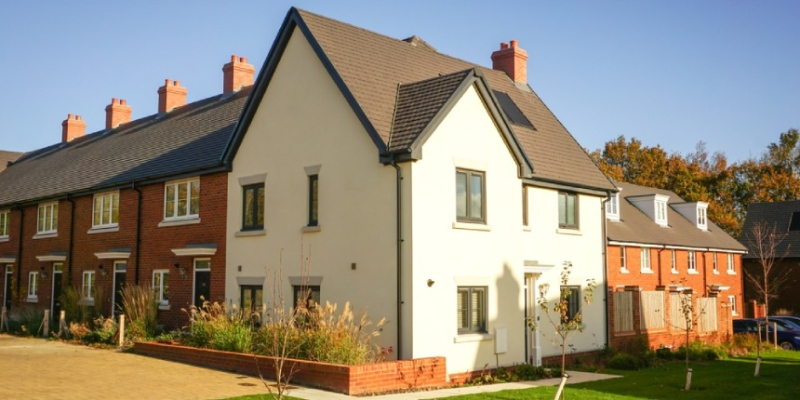
Build to rent describes large housing developments of high-quality homes constructed exclusively for renters – not for sale to people looking to buy. Operating under professional management, they are typified by their on-site facilities and points of contact.

They are very common, especially around London.

A Guide To The Renters’ Rights Bill

What implications does it hold for landlords?

What Qualifies As Build To Rent?

Build to rent properties are purpose built to include 50 or more separate rental properties, all operated by the same landlord and professionally managed, with staff on-site. Homes are rented under three-year tenancy agreements granting tenants a break clause, and sales are not permitted for 15 years. Build to rent developments often centre around apartment buildings, but can be communities of single family homes. Specialist build to rent finance is offered to investors, tailored to the niche.

How Do Build To Rent Homes Differ From Others? 

A big difference between build to rent and the conventional private landlord setup is the focus on service and a built-in lifestyle. Build to rent developments tend to come with on-site management and maintenance operatives.

Management costs are typically higher due to extra services offered – with concierges, laundries and communal leisure spaces, they sometimes have more in common with hotels than residential blocks.

The build to rent ethos is usually creating shared spaces that engender a feeling of community within the development. There are more amenities and facilities, tailored to the development’s target demographic – gyms, pools, roof terraces, cafes, cinemas, resident lounges and workspaces, for example.

Want to become a more informed landlord? Explore purpose-built student accommodation and building a property portfolio.

Is Build To Rent A Growth Area In The UK & London? 

Build to rent has been a growing trend over recent years, particularly in London but increasingly across the UK. From fewer than 20,000 units in 2019, the British Property Federation estimates there are now 150,000 build to rent homes completed or under construction, and 100,000 more in planning. Croydon alone has seen numerous developments, such as No 26, The Fold and Ten Degrees (the world’s tallest modular building on its completion) around the Growth Zone. East London offers many build to rent projects like Stratford’s station-adjacent International Way, the Plaistow Hub and East Ham’s partial Art Deco renovation Town Hall Annexe.

More than 17,000 new build to rent homes were completed in the financial year 2024-25. Despite a slowdown, developments are coming through the pipeline and benefit from government support under housing supply strategies.

Where Did Build To Rent Come From? 

You can chart the rise of build to rent alongside the increase in the demand for rental properties over the past few years – that and changing needs and wants among renters. From a transient workforce, looking for quality short term lets, to Millennials with higher standards than previous generations, there are plenty of factors behind the trend.

Early build to rent schemes include the 2012 Olympic Village in Stratford, east London which saw athletes’ accommodation converted into rental homes. Other developments followed, often backed by the government’s home building fund.

What Are The Benefits Of Build To Rent? 

Built-to-rent offers many advantages to tenants and investors, such as: 

Advantages for build-to-rent tenants:  

  • Higher-Quality Living Standards: Many BTRs are pitched as luxury accommodation, complete with up-to-date décor. 
  • More Flexible Lease Options: Flexible lease terms, with break clauses and longer rental terms as standard, give security of tenure versus traditional renting.
  • Dedicated Management: BTRs are typically managed by professional companies with maintenance, security and on-site management teams offering support 24/7.
  • Defined Complaints Scheme: The landlord must have a formalised complaints system and be part of a recognised ombudsman. 
  • Better Community & Lifestyle Benefits: Residents can access communal spaces, gyms, lounges, gardens, workspaces and cafes.
  • Predictable Costs: Utilities and internet are often included in rent, giving tenants more predictable monthly costs, and the formula for rent increases is laid out before you sign up. 
  • Location & Accessibility: BTR projects are frequently situated in prime urban locations with excellent access to public transport and local amenities. Often part of a broader regeneration project, they can attract new facilities and benefit the local economy.

Advantages for build-to-rent investors:   

  • Stable Income: Growing demand for rental properties, and a model geared to attracting stable long-term tenants, can lead to a steady stream of rental income. 
  • Investing At Scale: Investors can take on tens or hundreds of properties at a time, and benefit from economies of scale. 
  • Long-Term Capital Appreciation: BTR properties are often in prime locations which can appreciate in value and generate capital growth. For example, 50-storey Enclave: Croydon sits opposite Boxpark, while Bromley’s Perigon Heights is centrally located by Bromley South station.
  • Professional Management Efficiency: Professional management helps to ensure high occupancy rates, efficient maintenance and strong tenant satisfaction.
  • Government Support and Incentives: Landlords can benefit from tax incentives and grants, like lower Capital Gains Tax rates which take the edge off selling the investment in future. Schemes like the 2021-26 £4bn government commitment to subsidise affordable housing and BTR’s special status under the National Planning Policy Framework’s (NPPF) can also smooth the way.

And the disadvantages of build to rent?

There can be downsides to BTR for tenants and investors too: 

Disadvantages for build-to-rent tenants:  

  • Higher Costs: Premium facilities and service can prove 15% more expensive than a typical private rental property.
  • Qualification Criteria: Built to Rents tend to be aimed at particular groups. For example, young professionals, students or over 55s, so you may not fit the profile.
  • Impact on Potential Savings: Higher monthly rents can make it harder to save a deposit to buy a home. 
  • Lack of Choice: While a growing area, there are still not that many BTR homes available, especially outside London. 

Disadvantages for build-to-rent investors:   

  • High Entry Costs: The costs of designing, building and contributions to local infrastructure are steep. 
  • Investment Restrictions: Only financial institutions, large-scale landlords and property developers can invest directly in BTR.
  • Length Of Time: Build to let investors may wait a long time to benefit. 
build to rent developers

Do BTR Developments Include Affordable Housing? 

Government requirements mean that most housing developments need to include 20% affordable housing. However, definitions of affordable can be vague. ‘Affordable’ housing needs to be available at 20% lower than market rent. So, in an expensive area, such units are unlikely to be within the reach of people on low incomes.

Will Build To Rent Tenancies Change Under The Renters’ Rights Act?

A crucial part of the Renters’ Rights Act for BTR landlords is that on 1 May 2026, fixed-term tenancies will become periodic under the assured shorthold tenancy model. Build to rent apartments traditionally offer a longer fixed term of 3 years. However, build-to-rent properties generally attract long term, high value tenants, perhaps making rent defaults and increased turnover less likely.

Can BTR Developments Be Bought And Sold? 

As they’re relatively new concept in the UK, the long-term future of BTRs is a grey area. Planning regulations should prevent the affordable housing units being sold off to the private sector, but the rules are unclear. If BTR properties continue to bring in revenue, a mass sell-off seems unlikely. However, that could depend on the future shape of the UK’s rental market.

Build-To-Rent FAQs For Investors & Tenants

How do build to rent developments in London differ in tenancy structure and management compared to traditional buy-to-let properties?

Build to rent tenancies are traditionally 12-36 month fixed term tenancy agreements featuring break clauses (to change under the Renters’ Rights Act). They are run by professional ownership and management teams, usually based onsite and put in place by the build to rent developers.

How does the quality of amenities and on-site management in build to rent buildings impact long-term tenant retention and rental growth?

Tenants increasingly value the security, convenience and lifestyle offered by BTR communities, from gyms to workspaces, and typically allocate a greater share of their income than the private rental sector average, as confirmed in a 2025 report let by the British Property Federation (BPF).

What incentives or planning policies are the Greater London Authority and local councils offering to attract Build to Rent developers?

Build to rent developments benefit from the GLA planning policies with the Fast Track Route, to help local authorities fulfil housing targets (currently dependent on providing 35% affordable homes or 50% on public or industrial sites).

Looking for a build-to-rent scheme?

If you’re looking for a place to let in east London like Ilford, Redbridge or Barking & Dagenham, we can help you find the property for your business needs and portfolio. Contact us today to talk about your requirements. 

Looking for a stress-free lettings solution? Then explore our guaranteed rent services in Tower Hamlets, Greenwich, Lewisham, Southwark, Bromley & beyond.

Azeem S.

I began as a junior apprentice in a corporate estate agents in 2006 have been working in the property sector since, so over 14 years of experience. I have worked in a range of industries from Property sales and lettings, to construction, development, commercial sales and lets as well as facilities management and maintenance. I have a degree in Economics, enjoy keeping fit and healthy, support Man Utd and have a young family.

Follow on:

Related Post

Updates: 12 Mins Read

What Is Subletting and Is It Legal in East London?

Subletting is fairly common in East London but there is a major difference between authorised and illegal subletting.

As a landlord, providing consent for a tenant to sublet may be an option to consider, for example, if a tenant is struggling to pay rent.

However, it is important to understand the financial and legal risks involved in subletting before making a decision.

We explain how subletting works, actions that landlords can take to protect themselves from the risks of subletting and steps that can be taken if a landlord suspects that a tenant is illegally subletting.

Updates: 14 Mins Read

How to Find Tenants for Your Rental Property in East London

Finding good tenants for your rental property in East London is even more important now that the Renters’ Rights Act 2025 has been introduced.

The abolishment of Section 21 evictions means that landlords face a more involved eviction process, so you want to be as sure as possible that your tenants present a low risk.

This article provides guidance on finding and screening tenants, and we share tips on how to choose the right tenant to help avoid future tenant issues.

We also cover some important legal considerations when you are advertising the property and setting up the tenancy.

Updates: 9 Mins Read

Tenant Has a Pet Without Permission? Here’s What to Do in East London

The Renters’ Rights Act 2025 has changed the rules on allowing pets in private rental properties – and existing pet clauses in your tenancy agreement may not be enforceable. Where does this leave a landlord who finds the tenant has a pet without permission? In this article, we explain when it’s illegal to refuse pets in a rental property, what to do if the property is too small, and address other justifiable concerns that London landlords may have. If you are wondering if you can ban pets, or simply preparing ‘just in case’, read our guide to find out more.

Stay Informed on the Latest Renters' Rights Bill!

Enter your details to download our comprehensive guide and protect your property interests today.