Having an income from property and freeing us up from the dreaded nine to five job is, understandably, something many property investors aspire to. And why not? Who wants to spend the best years of their life stuck in an office, shop or warehouse etc?
However, having a property portfolio isn’t as simple as sitting back and waiting for the various rents to hit your bank account every month. No, there’s a lot of legislation you need to keep up to date with, as well as health and safety guidance and general industry news.
Choosing which location to buy property in is a key decision that will impact rental yield and how easy it is to manage your portfolio. Travelling to different parts of London will be time consuming, so it is better to focus on one area or neighbouring areas such as Barking and Ilford.
In this article we’ll help you do this and identify some of the best ways of how to manage a property portfolio.
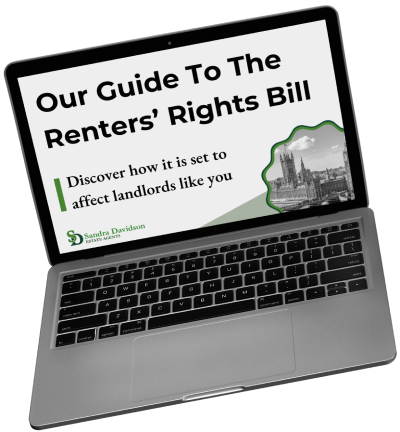
A Guide To The Renters’ Rights Bill
What implications does it hold for landlords?
Thank you!
Please check your inbox for an email with the download to your free Renters Rights download.
Fill in the form to download:
As your portfolio grows, it will become more difficult to manage all the responsibilities and tasks, so read on for advice on keeping everything running smoothly.
How To Manage A Property Portfolio
Experienced landlords develop strategies and systems to help them to manage their properties easier but if you are just starting out, these are some useful tips to get a head start:
1. Buy properties in a similar location
Right from the start you can make managing your rental property portfolio easier by buying multiple properties all in a similar location. That way it takes you less time to get around them all and, at the same time, means you can ‘kill two birds with one stone’ i.e. if you have to repair something at one property, you can do an inspection of the others while you are nearby.
You also will become more familiar with important information about the area and you can use the same tradespeople for maintenance and gas safety checks etc.
2. Get an accountant
The financial side of rental property can be extremely time-consuming. For this reason, it’s a good idea to get an accountant or finance officer to handle your books. That frees up time in your schedule to allow you to go and look at potential properties and real estate investment opportunities. Their expertise may also be able to help you to make tax savings through relief you are unaware of.
3. Online tools to help you manage your property
While buying software will come with a cost, these costs can be claimed back as expenses. Systems such as Landlord Studio and Property Hawk can help you to save time and keep on top of deadlines for actions you need to complete.
You can also use online rent payment systems such as eRentPayment and ClearNow to help manage your rent collections. There are also free online resources for rental agreement templates such as eForms.
Want to become a more informed landlord? Discover how to build a property portfolio and check out the best landlord apps for staying on top of things.
4. Tenant Retention Strategies
Long-term tenancies help to maintain a consistent rental income and cashflow by minimising void periods where you do not receive monthly rent payments. There is no guarantee that tenants will stay in your property for a long period of time, but you can use some tenant retention strategies to increase the likelihood of this happening.
Before accepting tenants at the start of a tenancy, landlords can ask general questions about whether the tenant is looking to settle in the property and check previous address history to see if they move around frequently for work, for example.
Another strategy to help retain tenants is to build a good relationship with them, by responding quickly to any maintenance reports or other queries the tenant may have. Ensuring that the property is kept in good condition with regular home improvements will also help to keep the tenant happy in their home.
5. Consider using a property management company
For the repairs and maintenance side of things, it’s possible to employ a property management company to supervise this. This is particularly the case if you live quite a distance from your rental properties, or if you are tied up during the day with other matters and simply can’t take time out ad hoc to attend to tenant’s queries and complaints.
But it’s not just that, a property management company can also collect rents, deal with deposits and handle any insurance matters. They can also undertake the marketing for new tenants and check inventories etc. In fact, many property managers or letting agents are comfortable knowing how to manage a property portfolio themselves.
6. Ensure legal compliance
Staying on top of legal compliance is one of the most challenging aspects of managing a property portfolio. Regulations apply across a wide range of areas, including health and safety, security deposit protection, maintenance and insurance, amongst many other responsibilities.
There are also licensing rules including HMO, mandatory and selective licensing for properties that meet the requirements and landlords are required to have buy-to-let mortgages for rental properties. Landlords are legally required to check tenants’ rights to live in the UK and must have an EPC (Energy Performance Certificate) for each property.
The Renters’ Rights Act is introducing changes and additional legal responsibilities for landlords, so there will be more rules to comply with in the near future.
7. Ensure health & safety compliance
Managing a property portfolio requires compliance with health and safety regulations outlined in legislation including the Housing Act 2004 and the Landlord and Tenant Act 1985. These include:
- Gas safety – Rented properties must have annual gas safety checks.
- Electrical safety – An EICR (Electrical Installation Condition Report) is required every five years.
- Smoke and carbon monoxide alarms – Smoke alarms are required on every storey used as living accommodation. Carbon monoxide alarms must be installed in any room that has a fuel burning appliance (excluding gas cookers).
- Fire safety – In addition to the alarm requirements, HMOs have additional fire safety requirements that you can check on the website of the local authority.
- Legionella – Under a landlord’s duty to keep tenants safe, they are required to perform risk assessments for hazards including Legionella.
How much does a property manager cost?
How much you will pay for someone to manage your rental property depends on how many properties you have in the first place. The more you have though, the bigger discount you can expect. On average, it costs anything from 5% to 15% of your rental property’s monthly income.
What Are The Typical Responsibilities Of A Property Manager?
Responsibilities vary between different property managers, but on the whole, you can expect them to carry out the following tasks:
- Marketing for new tenants, organising viewings, checking references, getting leases signed, undertaking inventories
- Handling disputes between tenants or a difficult tenant
- Checking to ensure there are no unforeseen maintenance and repairs issues and ensuring the EPC is in order, the annual gas inspection is carried out and any PAT tests done
- Ensuring the cleanliness of the flat and that there is no health or sanitary issues etc
- Providing emergency cover for incidents such as flooding, electric repairs etc
- Carrying out eviction procedures if necessary
Want to become a more informed landlord? Find out how much tax you pay on rental income and about capital gains tax on rental property.
Organising Your Own Property Portfolio
If you only have a few properties (and none of them are HMOs) and you work just part-time hours then, when it comes to the question of how to manage a property portfolio you may feel perfectly confident about handling the work yourself.
You will need to make sure that you are organised from the off and have everything in place to help you to efficiently manage your properties. Here are some tips on how to make the workload easier for yourself:
1. Organise your admin
Create dedicated folders on your computer for each property. These should include important documents such as tenancy agreements, inventories and accompanying images/videos, copies of gas safety certificates, EPCs, tenant details and references. If you are not using software for managing your property, you should also have timetables for when inspections and gas safety checks are due.
Property management software can help you to stay organised, with deadline reminders for compliance responsibilities, plus features to develop effective systems and processes for lease management, rent collection and maintenance logging.
2. Record maintenance details
Unexpected maintenance can often arise, so you should keep records of all maintenance carried out and file any warranties and guarantees for workmanship. For example, if you have a boiler warranty and there is an issue with the boiler, you won’t usually have to pay for any repairs while the warranty is still valid.
When you are managing multiple properties, having a reliable, cost-effective network of tradespeople will also help to reduce costs and save time finding new tradespeople for future maintenance. Well maintained properties attract better quality tenants, so having all your records will be worthwhile. You will also need the records if you want to claim expenses in your tax returns.
3. Check for changes to legislation and local authority rules
An important priority for property management is to stay informed in legislation and local authority rule changes to ensure you are compliant. Local authorities can quite often impose new rules on landlords, such as an Article 4 directive in the area where you have property. This is always worth keeping an eye on and you can sign up for landlord news updates from relevant websites by subscribing to newsletters.
Keeping Your Property Portfolio Profitable
For your property business to be successful, you need to continuously look at ways to improve and identify efficiencies. This includes staying up to date with the average rent prices in the area and improving your tenant screening processes.
A comprehensive screening process will help to find tenants who are more likely to stay in your property for longer periods and will help to avoid the costs of missed rent payments. Having long-term tenants also reduces the number of void periods, which can have a significant financial impact on your rental income.
How To Grow Your Property Portfolio
Once you have an efficient and successful system in place for managing your property, you are in great position to expand your property portfolio. You may decide to diversify your portfolio as this can help to maintain a steady cashflow even if one type of property investment strategy becomes less profitable.
Having a mix of property types such as HMOs, purpose-built student accommodation and commercial properties will give you the opportunity to assess which approach is the most profitable way to build a property portfolio. Some property types will deliver higher short-term profits, while others are considered more of a long-term investment strategy.
Get In Touch
Find more information about how to manage your properties from our team today at Sandra Davidson properties – from finding the right investment property to understanding how long it takes to evict a tenant. We also provide property management services to free up your time, as well as a rent guarantee scheme in Redbridge, Barking, & Dagenham to help you to stay profitable.
Looking for a stress-free lettings solution? Then explore our guaranteed rent services in Barking, Dagenham, East Ham, Havering, Basildon & beyond.