



×

EPC Rules & Requirements for Landlords in London

If you are renting out a property, you will need to meet EPC requirements for landlords. Read on for everything landlords need to know about the updated standards for England and Wales.

Making homes greener and more energy efficient is big news, as the government looks for ways to cut the UK’s carbon emissions to zero by 2050. From swapping petrol cars for electric to replacing gas boilers with heat pumps, we’ll all need to find greener ways of living.

But if you’re a landlord in Croydon, Barking, Dagenham, Ilford or Redbridge, you’ll need to consider green adaptations sooner rather than later. Over the past few years, legislation has upped the demands on landlords regarding energy efficiency. You are legally required to have an energy performance certificate (EPC), and your rental property must now achieve an energy performance certificate rating of E or above.

According to the Office for National Statistics, over 40% of Barking and Dagenham homes scored between D and G. There’s a chance that your property is one of those homes, particularly if you own one of the area’s period terraced houses – and you need to understand the requirements.

A Guide To The Renters’ Rights Bill

What implications does it hold for landlords?

For anyone who’s confused, here are some questions landlords often ask about energy performance certificates.

What Is An Energy Performance Certificate (EPC)?

EPCs measure how energy efficient your home is and are essential to marketing your property for sale or rent.

EPC home reports contain:

  • Information about a property’s energy use and typical energy costs
  • Recommendations about how to reduce energy use and save money

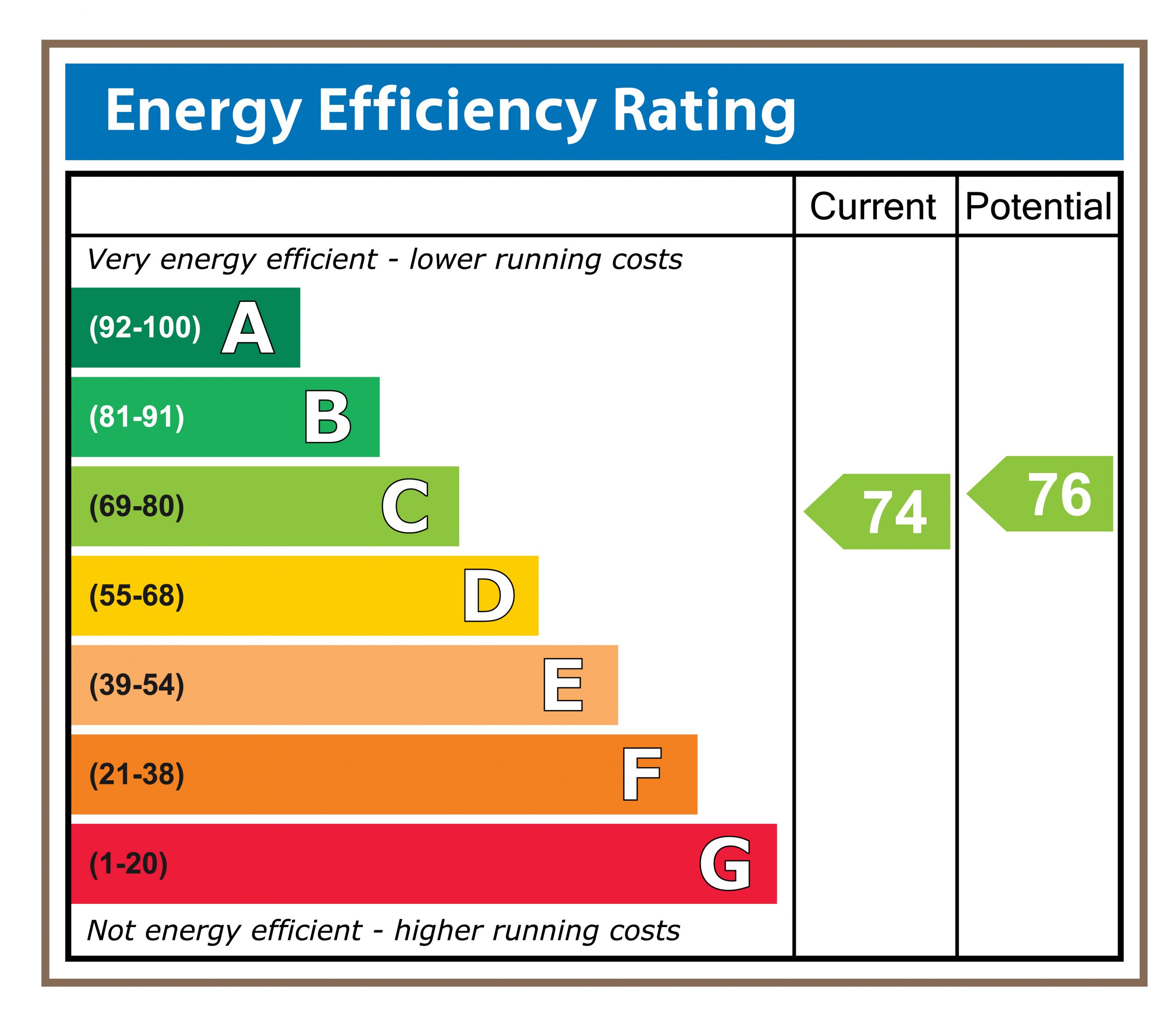
An EPC gives a property an energy efficiency rating from A (most efficient) to G (least efficient). A good EPC rating can be helpful when looking for tenants, as it indicates that the property will be warm and efficient to heat with lower energy bills.

What Are The Current EPC Requirements For Landlords?

By law, you are required to provide your tenants with a valid EPC at the beginning of the new tenancy. But your EPC should be available to prospective tenants as soon as you begin marketing the property to rent.

On 1st April 2018, regulations set out minimum energy efficiency standards (MEES) for privately rented property. These regulations made it unlawful for landlords to grant a new lease for properties with an EPC rating below E.

In April 2020, the MEES legislation was extended to include any property with an existing or continuing tenancy. This means that all landlords of privately rented properties in England and Wales must achieve an EPC rating of E.

You must act immediately if your property’s rating is F or G. You must be prepared to spend up to the £3,500 cap required by the government (including VAT) – though a high cost exemption protects private landlords from having to spend more than this. Your EPC report will include a list of essential recommendations.

EPC rating requirements for landlords in England (2030)

when is an epc not required

The previous government had proposed that new tenancies would need an EPC rating of C by 2025 (or 2028 for existing tenancies). For now, the EPC rules for landlords remain unchanged – they still require an E rating or higher, but that’s set to change.

As part of the Labour government’s proposed Plan for Change, landlords of privately rented homes in England and Wales will need to improve the minimum energy performance certificate rating, with new rules requiring an EPC rating of C by 2030.

The changes were proposed to help the UK meet its net zero carbon emissions targets by 2050 and make homes more affordable for tenants to heat. With domestic properties responsible for a high percentage of greenhouse gas emissions, further legislation affecting landlords will likely follow – so keep an eye on the news and the gov.uk website.

If you’d like to find out more about EPCs or other legislation affecting rented property, please call us for advice and to discuss our services for landlords.

What Other Changes Should I Know About?

Landlords need to know that the Boiler Upgrade Scheme grant has increased, and the ban on installing new gas and oil boilers has been delayed. Under the Boiler Upgrade scheme, you can now apply for a £7,500 grant to upgrade a gas boiler to ground or air source heat pumps.

New LPG and oil boiler installations were due to be phased out from 2026, but this deadline has been extended by 9 years. They will now be phased out from 2035, along with gas boilers. An exemption is expected to be available for properties where it’s impossible to convert to a heat pump.

How Can I Improve My EPC Rating?

Most UK properties have an average rating of D or E. If your property’s energy efficiency falls short of rental sector requirements, there are things you can do to improve it:

  • Fitting a new boiler – replacing your boiler with a modern energy-efficient model will impact your EPC rating most. You could also consider adding a renewable energy source in the form of solar panels, biomass boilers and ground-source heat pumps.
  • Installing double or triple glazing – upgrading your windows and doors could improve your energy rating and reduce noise pollution.
  • Upgrading roof insulation – a quarter of household heat is lost through the roof, so upgrading your roof insulation is an easy way to improve the energy efficiency of your property.
  • Adding wall insulation – whether your home has cavity or solid walls, insulating them can improve your EPC rating.
  • Replacing lighting – using energy-efficient light bulbs is a cheap and easy way to improve your rating.
EPC Rating

Is it still worth improving my EPC rating?

There’s still time until – or if – the proposed new EPC C rating becomes standard. Yet it may be worth improving your property’s EPC rating ahead of schedule – here are some reasons landlords may want to consider it.

  • EPC changes are likely coming in the near future, as the nation has committed to becoming more energy efficient.
  • If or when the new rules do come in, you’ll beat the rush to secure materials and tradesmen.
  • Warm, dry homes are less likely to develop damp and mould problems, saving you the cost of remedial work.
  • Tenants value an energy-efficient property, so a good rating will make your property more attractive and competitive.
  • Energy-efficient properties attract lower energy bills. For landlords who rent out properties with bills included, this can reduce your costs.
  • You may be eligible for energy efficiency improvement schemes such as Warm Homes grants, under certain local authorities.
  • A better EPC rating can attract a higher selling price. On average, B and C-rated homes sell for 5% more than D-rated properties. If you decide to sell your rental property, you could benefit.

Do I Need My Tenant’s Permission For The EPC Inspection?

Yes, you must always give your tenant 24 hours’ written notice before carrying out an EPC inspection. You don’t need to renew your property’s EPC during a tenancy unless you change the tenancy agreement. However, you may choose to get one following work on the property to achieve a better score, or in preparation for a new tenancy.

Should I Give My Tenants A Copy Of The EPC?

You are legally required to give your tenants a copy of the EPC.

How Do I Get An EPC?

EPCs are issued after an inspection by an accredited energy surveyor. Conducting an internal and external review of most domestic properties takes less than an hour. During the survey, the energy assessor will evaluate the following aspects of your property:

  • Exterior walls
  • Roof insulation
  • Floor
  • Windows
  • Open fireplaces
  • Boiler
  • Lighting
  • Heating system
  • Heating controls
  • Hot water cylinder insulation
  • Ventilation system
  • Conservatory and extensions

You will need to ensure the surveyor can access all the rooms in your property, including the loft.

How Much Does An EPC Cost?

EPCs cost between £60 and £120. It’s worth getting quotes before choosing an assessor to conduct the survey.

does a listed building require an epc

When Will I Need To Renew My EPC?

An EPC is valid for 10 years. Once it has expired, you must apply for a new EPC to continue renting the property out.

If you have carried out renovation work on the property, which you think may have improved its energy efficiency, you may choose to get a new certificate.

When is an EPC not required for residential property?

Under UK law, all private rental properties must have an EPC certificate. However, there are a few exceptions where an EPC is not required for a residential property:

  • Listed buildings (read on for further info)
  • Residential buildings used for less than 4 months each year
  • Buildings scheduled for demolition
  • Buildings intended to be used for less than 2 years
  • Stand-alone buildings with less than 50 square metres of useful floor space

Landlords can seek exemption by submitting evidence to the National Private Rented Sector (PRS) Exemptions Register.

Does a listed building require an EPC?

Listed buildings are not required to have an EPC if you can show that meeting the MEES would cause unacceptable changes to the building. This is because common energy efficiency improvements are often incompatible with historical features. For example, double or triple glazing and external wall insulation are unlikely to be appropriate.

Do holiday let properties require an EPC?

You may not need an EPC if you rent your holiday let property for less than 4 months in a 12-month period. However, holiday lets do need an EPC with an E rating by law if they are rented out for longer, and are classed as a furnished holiday let property. Your property is likely to be a furnished holiday let if it’s:

  • Available to the public for rental for a minimum of 210 days per year
  • Let for a minimum or 105 days (not including use by yourself, family or friends as a favour)
  • Each rental period is 31 consecutive days or less

What Happens If I Don’t Have A Valid EPC?

Failure to produce a current EPC when requested can result in a £200 per property fine. Landlords face a penalty of up to £5,000 for not meeting the minimum rating of E. Not having an up-to-date EPC prevents landlords from serving a Section 21 notice to evict their tenants.

Need compliance help as a landlord?

Are you a landlord in Grays, Beckton, Seven Kings or Gidea Park? If you’d like to find out more about EPCs or other legislation affecting rented property, please call us for advice and to discuss our services for landlords.

Looking for a stress-free lettings solution? Then explore our guaranteed rent services in Croydon, Bexley, Dartford, Maidstone, Canterbury & beyond.

Azeem S.

I began as a junior apprentice in a corporate estate agents in 2006 have been working in the property sector since, so over 14 years of experience. I have worked in a range of industries from Property sales and lettings, to construction, development, commercial sales and lets as well as facilities management and maintenance. I have a degree in Economics, enjoy keeping fit and healthy, support Man Utd and have a young family.

Follow on:

Related Post

Updates: 12 Mins Read

What Is Subletting and Is It Legal in East London?

Subletting is fairly common in East London but there is a major difference between authorised and illegal subletting.

As a landlord, providing consent for a tenant to sublet may be an option to consider, for example, if a tenant is struggling to pay rent.

However, it is important to understand the financial and legal risks involved in subletting before making a decision.

We explain how subletting works, actions that landlords can take to protect themselves from the risks of subletting and steps that can be taken if a landlord suspects that a tenant is illegally subletting.

Updates: 14 Mins Read

How to Find Tenants for Your Rental Property in East London

Finding good tenants for your rental property in East London is even more important now that the Renters’ Rights Act 2025 has been introduced.

The abolishment of Section 21 evictions means that landlords face a more involved eviction process, so you want to be as sure as possible that your tenants present a low risk.

This article provides guidance on finding and screening tenants, and we share tips on how to choose the right tenant to help avoid future tenant issues.

We also cover some important legal considerations when you are advertising the property and setting up the tenancy.

Updates: 9 Mins Read

Tenant Has a Pet Without Permission? Here’s What to Do in East London

The Renters’ Rights Act 2025 has changed the rules on allowing pets in private rental properties – and existing pet clauses in your tenancy agreement may not be enforceable. Where does this leave a landlord who finds the tenant has a pet without permission? In this article, we explain when it’s illegal to refuse pets in a rental property, what to do if the property is too small, and address other justifiable concerns that London landlords may have. If you are wondering if you can ban pets, or simply preparing ‘just in case’, read our guide to find out more.

Stay Informed on the Latest Renters' Rights Bill!

Enter your details to download our comprehensive guide and protect your property interests today.